September 15, 2026
Owning a swimming pool offers a refreshing retreat from the summer heat and serves as a natural gathering space for friends and family. However, keeping the water crystal clear, inviting, and safe requires a consistent maintenance routine that balances physical cleaning with precise chemical management. Without regular upkeep, pool water can quickly become cloudy, harbor bacteria, or succumb to persistent algae growth. Establishing a straightforward maintenance schedule makes the work manageable and protects your investment over the long term. According to The Spruce, keeping your pool clean, testing the water, and backwashing the filter at least every two weeks is essential for preventing algae and maintaining water quality. Understanding the essential steps involved in keeping your facility in peak condition helps you avoid costly structural or mechanical repairs down the road. Here is a comprehensive overview of the fundamental practices required to ensure your swimming pool remains clean, safe, and enjoyable all season long.
Mastering Physical Skimming, Brushing, and Vacuuming
Physical cleaning forms the first line of defense against organic debris and structural staining. Leaves, insects, twigs, and windblown pollen continuously land on the water surface, and removing them promptly prevents them from sinking to the bottom, where they decompose and consume sanitizer levels. Skimming the surface daily with a long-handled leaf skimmer keeps floating debris from clogging the skimmer baskets or overburdening the filtration equipment. Equally important is regular brushing of the walls, steps, and floor. Over time, a microscopic film of algae and mineral scale clings to interior surfaces, particularly in areas with poor circulation like corners and step edges. Brushing these surfaces once a week dislodges buildup so the filter can capture it efficiently. Following up with a thorough manual or automatic vacuuming session removes heavy sediment from the floor, keeping the water inviting. Routine physical maintenance not only preserves the aesthetic appeal of your swimming pool, but it also reduces the overall chemical demand needed to maintain water clarity.
Optimizing Circulation and Filtration Systems
A healthy water feature relies heavily on continuous circulation to distribute sanitizing chemicals evenly and sweep suspended particles toward the filter. The pump serves as the mechanical heart of the setup, drawing water from the main drains and skimmers, pushing it through the filter, and returning it through wall jets. For optimal clarity, the pump should run long enough each day to turn over the total volume of water at least once, which typically takes between eight and twelve hours depending on pump speed and pool size. The filter itself requires periodic cleaning to maintain proper flow dynamics and system pressure. Whether your setup utilizes sand, cartridge, or diatomaceous earth media, tracking the pressure gauge on the filter tank provides a clear signal of when maintenance is due. When pressure rises eight to ten pounds above its normal baseline, performance drops significantly, indicating that the system needs attention. Maintaining robust circulation guarantees that every gallon of water in your swimming pool receives proper filtration and chemical treatment.
Balancing Water Chemistry for Health and Safety
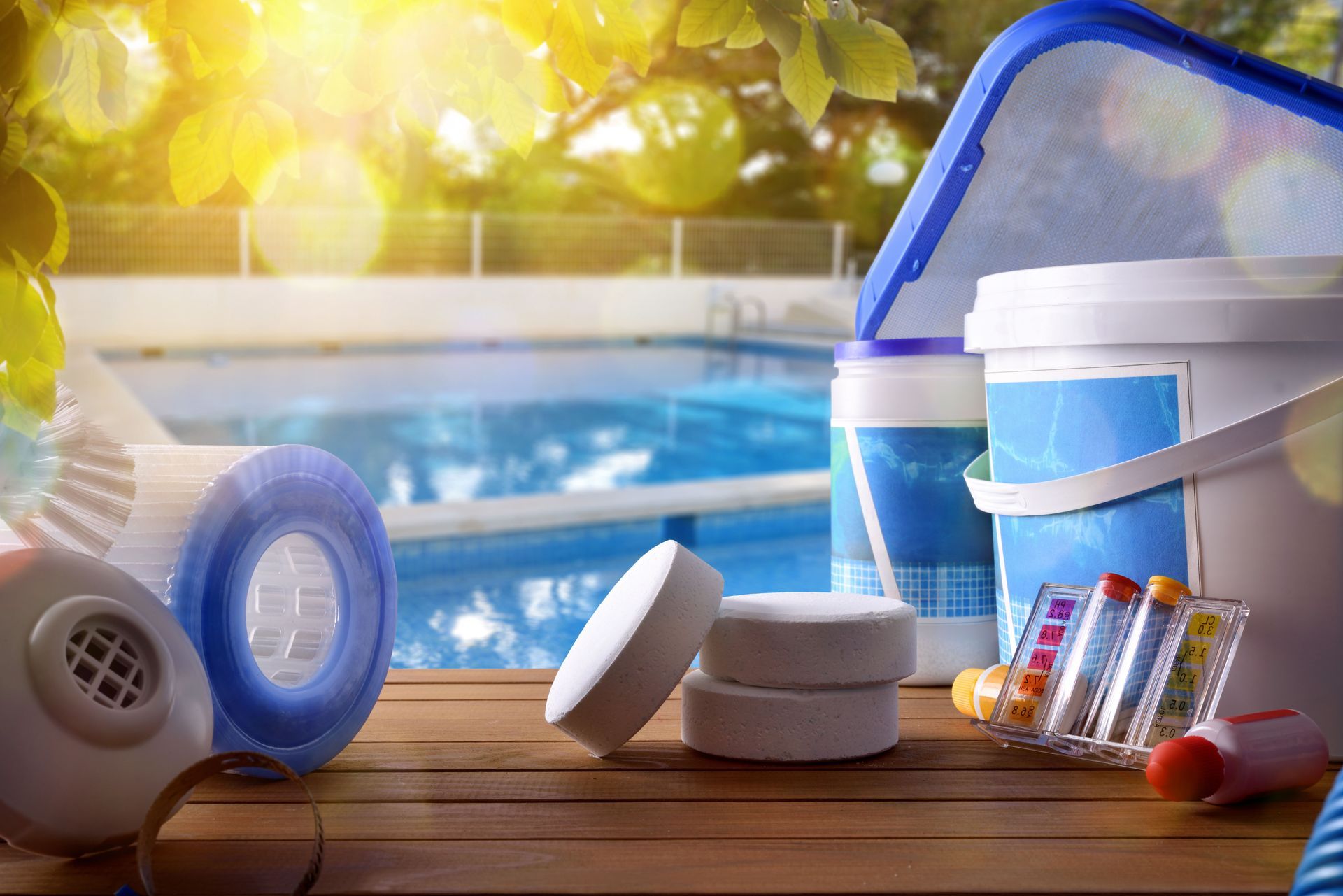
Chemical balancing is perhaps the most critical aspect of maintenance, directly impacting bather comfort, equipment longevity, and water safety. The primary chemical parameter to monitor is the sanitizer level, usually free chlorine, which actively destroys bacteria, viruses, and organic contaminants. Maintaining chlorine between one and three parts per million keeps the water biologically safe without causing skin or eye irritation. However, sanitizer efficacy depends heavily on maintaining proper pH levels, ideally between 7.2 and 7.8. If the pH drifts too high, chlorine loses its sanitizing potency; if it drops too low, the water becomes acidic, corroding metal fittings and irritating swimmers. Total alkalinity acts as a buffer for pH, preventing drastic fluctuations, and should be maintained between 80 and 120 parts per million. Regularly testing these levels ensures your swimming pool remains a safe environment while protecting pump impellers, heaters, and plaster finishes from chemical damage.
Shocking and Backwashing to Prevent Algae and Cloudiness
Even with consistent daily chlorination, organic waste from bathers, sunscreen, rainstorms, and heavy usage can cause combined chlorine compounds to build up, leading to strong chemical odors and dull water. Superchlorinating, or shocking, involves adding a concentrated dose of sanitizer to break down these stubborn compounds and eradicate invisible algae spores. Shocking is best performed at dusk or night, as sunlight quickly degrades unstabilized chlorine before it can complete its deep-cleaning action. During periods of heavy usage or after major weather events, shocking restores clarity and prevents sudden blooms. Alongside shocking, backwashing the filter system plays a vital role in flushing out trapped debris and accumulated waste from the media. Reversing the water flow through a sand or diatomaceous earth filter clears built-up pressure and restores optimal flow rates. Performing these intensive maintenance procedures every couple of weeks keeps your swimming pool crystal clear and prevents stubborn algae infestations from taking root.
Managing Water Levels and Seasonal Adjustments
Water level management is an often overlooked aspect of routine maintenance that directly impacts equipment performance. Water naturally evaporates during hot summer days, and heavy splashing further reduces overall volume. If the water line drops below the midpoint of the skimmer opening, the pump will pull air into the system, which can cause the motor to lose prime and overheat. Conversely, heavy rainfall can raise water levels too high, reducing skimmer efficiency by preventing surface debris from entering the basket. Maintaining the water level precisely at the center of the skimmer faceplate ensures optimal surface skimming and protects equipment from dry-running damage. Additionally, adjusting filtration times and chemical doses based on seasonal temperature shifts keeps the system running efficiently year-round. Taking a proactive approach to water level and environmental shifts preserves the structural integrity of your swimming pool and prevents minor operational issues from escalating into major repairs.
Conducting Routine Inspections for Early Leak Detection
In addition to water treatment and cleaning, routinely inspecting structural components and plumbing lines is essential for long-term pool stability. Small cracks in plaster, failing tile grout, or deteriorating rubber gaskets around pumps can allow water to continuously escape undetected. Over time, even minor water leaks undermine the surrounding deck foundation, cause soil erosion, and dramatically increase your utility and chemical expenses. Performing a simple bucket test or visually examining plumbing joints for moisture buildup helps identify hidden water loss before it turns into a major repair project. Inspecting your pool equipment pad for drips, unusual vibrations, or worn seals ensures all mechanical components continue operating smoothly without wasting power or water. Keeping a close eye on structural integrity ensures that your swimming pool remains leak-free, efficient, and structurally sound for many seasons to come.
Sustaining a clean, safe, and beautiful aquatic environment does not require an overwhelming amount of effort, but it does demand consistency and attention to detail. By breaking down tasks into manageable routines—combining daily skimming, weekly chemical testing, regular brushing, and periodic backwashing—you can effortlessly maintain pristine water conditions. Monitoring mechanical equipment and addressing subtle shifts in chemistry before they escalate ensures that your setup operates smoothly throughout the warmest months of the year. Investing time in routine upkeep ultimately saves money on emergency treatments and extends the lifespan of your liner, plaster, and pump systems. With a solid care strategy in place, your swimming pool will remain a pristine oasis that offers relaxation and enjoyment for season after season. To keep your pool in perfect condition without lifting a finger, reach out to the expert team at Sundancer Pools Inc today to schedule your professional service.